
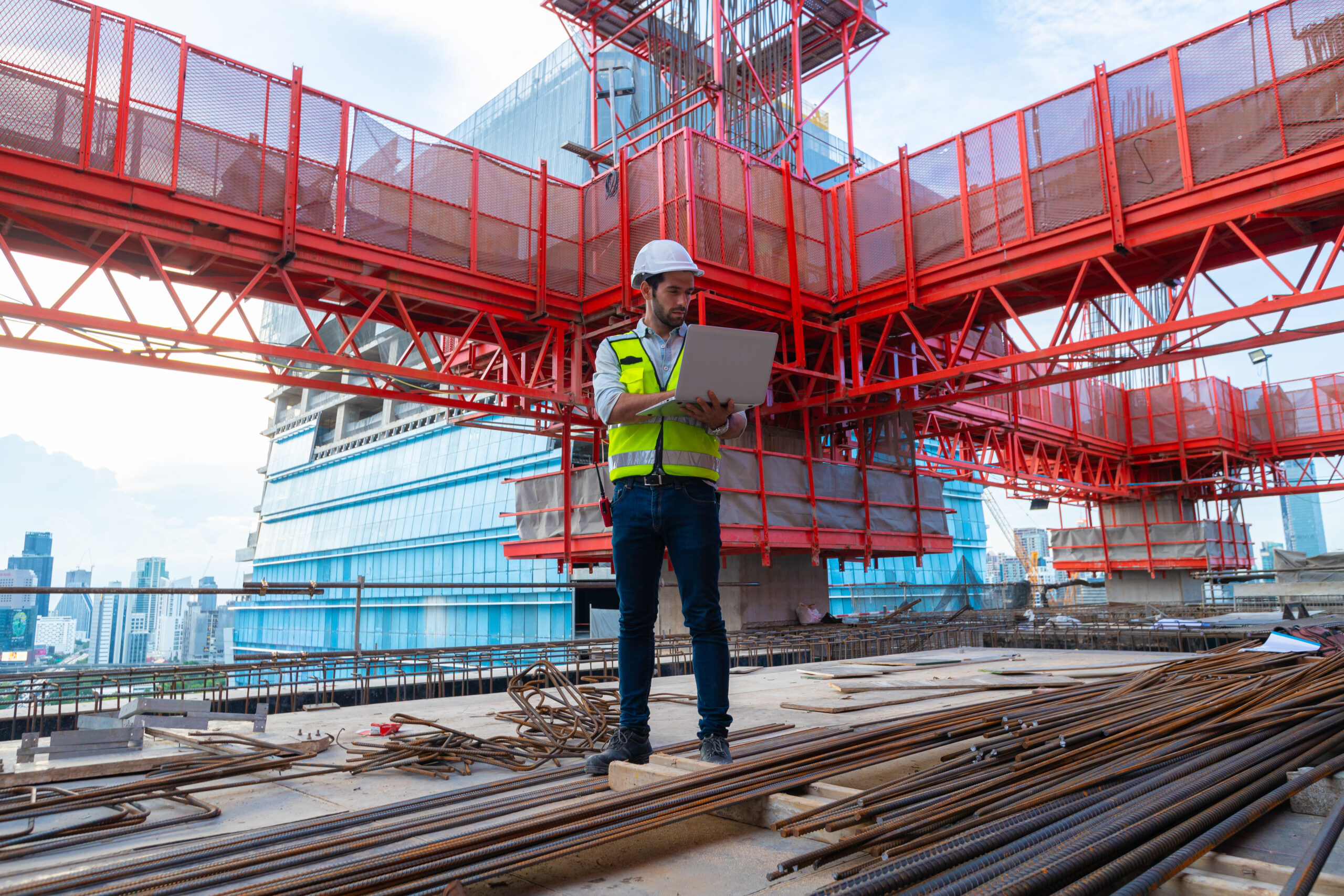
For those of us in the steel industry, the gap between a perfect estimate and a flawless field execution is where projects are won or lost. Understanding the structural steel erection process in detail isn’t just about knowing the steps—it’s about foreseeing the logistical hurdles, coordinating the chaos, and turning a detailed plan into a safe, efficient, and profitable job site. This guide breaks down the structural steel erection process for contractors and erectors from pre-planning to final bolt, connecting the dots between your bid and the iron in the air.
Foundation First: The Critical Planning & Pre-Construction Phase
Long before the first crane arrives, the success of your structural steel erection project is being determined. This phase transforms a winning bid into an actionable blueprint for the field.
It begins with a meticulous review of design and shop drawings, ensuring every connection and member is understood. Next, a comprehensive steel erection project plan is developed, outlining the sequence, crane placement, and crew assignments. Simultaneously, logistics are locked in: securing site access, arranging laydown areas for material, and confirming delivery schedules with the fabricator. This stage also involves finalizing all safety plans and permits. Rushing this steel erection planning is the most common—and costly—mistake a team can make.
The Sequence of Success: A Step-by-Step Walkthrough
The physical structural steel installation workflow follows a disciplined sequence designed for stability and efficiency. While project-specific, the core structural steel erection sequence is universal:
- Anchor Bolt Installation & Verification: The absolute cornerstone. Before any steel arrives, anchor bolt locations, elevations, and projections are verified with precision. An error here echoes through the entire project.
- Material Receiving & Inspection: Steel is received, inspected for damage, and organized in the laydown area according to the erection sequence. This is a control point for quality.
- Column Erection & Plumbing: Primary columns are set, temporarily braced, and precisely plumbed. This establishes the building’s critical lines and levels.
- Beam & Girder Placement: Main beams and girders are connected to columns, creating the primary frame. Bolts are left finger-tight to allow for final adjustments.
- Secondary Member Installation: Purlins, girts, and bridging are installed, completing the frame and providing lateral stability.
- Decking Installation: Once the frame is secure and squared, metal decking is placed to create safe working platforms for subsequent trades.
- Final Alignment & Bolt Torquing: The entire structure is given a final alignment check before all high-strength bolts are fully torqued or welded per specs.
- Completion & Punch List: Temporary bracing is removed, and a final inspection is conducted.
Coordination is Key: Managing Logistics, Safety, and Multi-Trade Integration
The steel erection coordination process is where a foreman’s skill truly shines. This isn’t a solitary operation. You’re managing a symphony of moving parts:
- Crane & Rigging Logistics: Coordinating crane movements, rigging plans, and signal communication to maximize lift cycles and minimize downtime.
- Safety as a System: Implementing fall protection, site security, and daily toolbox talks. Safety isn’t a checklist; it’s the operating system for the job.
- Trade Integration: Sequencing work with concrete crews, MEP trades, and decking installers. Clear daily communication prevents conflicts and keeps the entire project on track. This complex steel erection coordination is what separates smooth projects from chaotic ones.
Common Pitfalls & Pro Solutions
Every veteran knows the challenges. Here’s how to tackle them:
- Challenge: Fabrication/Delivery Delays.
- Pro Solution: Build float into your schedule. Maintain constant communication with the fabricator and have a contingency sequence ready to erect available steel without stopping the crew.
- Challenge: Site Access or Laydown Area Issues.
- Pro Solution: Conduct a rigorous pre-mobilization site visit. Negotiate and map out laydown and crane paths in the pre-construction phase, not on day one.
- Challenge: Last-Minute Design Changes.
- Pro Solution: Implement a strict RFI (Request for Information) process early. A change in the field costs exponentially more than a change on paper.
From Estimate to Execution: How Precise Planning Tools Drive Flawless Fieldwork
This is where the digital plan meets the physical job. The accuracy of your initial steel erection estimate directly dictates the efficiency of your structural steel erection workflow. An estimate built with generic takeoff software often misses the nuances that impact field productivity—complex connections, handling time, and crane cycle details.
Using industry-built estimating tools like the Steel Erection Bid Wizard, which is built from decades of field experience, changes the game. When your estimate is derived from a detailed, sequence-aware digital model, it doesn’t just produce a number. It produces a material list sorted by erection sequence, clear labor hours per assembly, and identified logistical challenges before you mobilize. This turns your estimate from a static bid document into a dynamic steel erection project planning tool, giving your field crew the precise roadmap they need to execute efficiently and profitably.
Conclusion: Erect with Confidence
Mastering the structural steel erection process is about respecting the discipline of planning, the precision of sequence, and the reality of coordination. It’s the understanding that the office work and the field work are two sides of the same coin. By combining deep field knowledge with precise, experience-based planning tools, you transform potential problems into predictable processes.
Ready to bridge the gap between your estimate and your erection sequence with precision? Explore how Steel Estimating Solutions’ industry-built software, created by erectors for erectors, can provide the detailed, sequence-aware takeoff and planning your next structural steel project demands.